
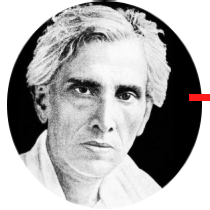
Sarat Chandra Chattopadhyay
Sarat Chandra Chattopadhyay is one of the most renowned and celebrated writers of Indian literature. His works have been translated into multiple languages, and his novels and short stories are known for their simple and realistic portrayal of social and political issues. Let’s take a closer look at his life, education, and achievements.
CEO’s | Actors | Politicians | Sports Stars
Early Life
Sarat Chandra Chattopadhyay, born on 15 September 1876, was the second child in a Bengali Brahmin family residing in Debanandapur, a small village in Hooghly, West Bengal. His parents, Matilal and Bhuvanmohini, had five children in total. Despite being born into a once-wealthy family that had fallen into poverty, Sarat Chandra demonstrated an indomitable spirit and an inherent love for literature, passed down from his father. Early education was challenging due to financial constraints, and Sarat Chandra’s journey was marked by self-learning and fortitude.
Parents’ Name and Family
Sarat Chandra’s parents, Matilal and Bhuvanmohini, had a significant influence on his life. Despite their impoverished circumstances, they cultivated in him a love for literature. Sarat Chandra had two sisters, Anila and Sushila, and two brothers, Prabhas Chandra and Prakash Chandra.
Personal Life
The turbulence of Sarat Chandra’s personal life echoed in his literature. Matilal’s death led the family to relocate to a mud house in Bhagalpur, and soon after, Sarat Chandra took a monk’s path, wandering across India. He had two marriages: the first ended in tragedy with the death of his wife and son from plague, and the second was to Hironmoyee, a teenage girl he educated and cared for. He remained childless in this union.
Professional Life
Sarat Chandra’s professional life started in Calcutta, where he worked for a lawyer, translating Hindi books into English. He then moved to Burma and held various jobs in Rangoon and Pegu, eventually securing a position in the Burma Public Works Accounts Office. His intimate interaction with the working-class people profoundly influenced his literature. After a hiatus of eighteen years, Sarat Chandra resumed writing, contributing to a small magazine, Jamuna, in 1913, which catapulted him to fame.
Awards and Recognitions
Sarat Chandra’s writings have been widely appreciated and translated, contributing significantly to Indian literature and cinema. His novel, “Swami,” earned him the Filmfare Award for Best Story in 1977. His work remains an influential force in the literary and cinematic world, even posthumously.
Age
Sarat Chandra Chattopadhyay was born in 1876 and passed away in 1938. He lived a full and influential life of 61 years, leaving a significant impact on Indian literature.
Salary
As of my knowledge cutoff in September 2021, specific details about Sarat Chandra Chattopadhyay’s earnings during his lifetime are not readily available. He held various jobs and had a successful writing career, but the economic circumstances of his time were quite different from today.
Net Worth
The net worth of Sarat Chandra Chattopadhyay is not known, given the historical context and time he lived in. However, his wealth cannot be measured in monetary terms alone, as his rich literary legacy continues to influence and enrich Indian literature and cinema.
In conclusion, Sarat Chandra Chattopadhyay’s life and work continue to be a source of inspiration. His stories, filled with empathy for the common people, and his resilient spirit have left an indelible mark on the world of literature.
Also Read: Journey of Prafulla Chandra Ray, Sadhguru Jaggi Vasudev
Join the conversation